Exploring the Claims Surrounding Cupping and Weight Loss
The allure of cupping for weight loss is undeniable. Many individuals tout its effectiveness, fueled by anecdotal evidence and the promise of enhanced circulation and lymphatic drainage. However, a critical review of the current scientific literature reveals a significant gap between these enthusiastic claims and robust, verifiable data. This article aims to provide a balanced, evidence-based perspective on cupping's potential role in weight management, separating fact from fiction.
Understanding Cupping Therapy
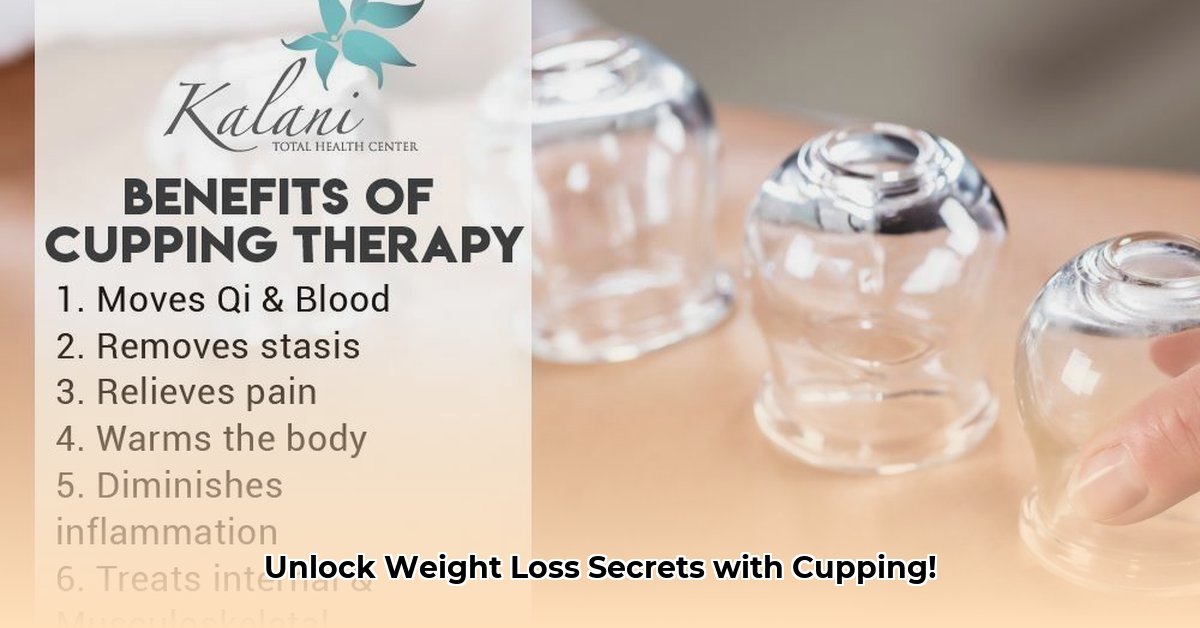
Cupping therapy involves the application of heated glass or silicone cups to the skin, creating suction. Proponents suggest this suction improves blood flow, lymphatic drainage, and potentially boosts metabolism – all factors that could indirectly contribute to weight loss. However, it's crucial to approach these claims with a healthy dose of skepticism. While improved circulation is generally beneficial, the direct link to significant weight reduction remains unsubstantiated by large-scale, high-quality studies. "The notion that cupping is a primary method for weight loss is, at best, premature and unsupported by the current scientific consensus," explains Dr. Anya Sharma, MD, a leading researcher in integrative medicine at the University of California, San Francisco.
Examining the Scientific Evidence (or Lack Thereof)
The current scientific literature lacks substantial evidence to definitively support cupping as a primary method for weight loss. While many individuals report positive experiences and improved well-being after cupping sessions, these anecdotal accounts are insufficient to establish causality. Rigorous clinical trials with large sample sizes are needed to confirm any significant impact on weight. Many studies examining cupping focus on pain management or other conditions rather than weight loss. "We need more rigorous, controlled studies to understand the mechanisms by which cupping might affect weight, if at all," emphasizes Dr. David Chen, PhD, a researcher specializing in Traditional Chinese Medicine at Harvard University. Is it truly a game-changer in the world of weight loss? The data currently suggests otherwise.
Potential Indirect Benefits: A Nuanced Perspective
While direct evidence is lacking, some potential indirect benefits of cupping might contribute to overall weight management strategies:
- Inflammation Reduction: Chronic inflammation can negatively impact metabolism. Some individuals report decreased inflammation after cupping, suggesting a potential indirect improvement in metabolic function. Further research is needed to validate this connection.
- Improved Lymphatic Drainage: The lymphatic system plays a vital role in removing toxins and waste. If cupping enhances lymphatic drainage (a claim requiring more investigation), this could indirectly support healthy weight management by improving detoxification processes.
- Stress Reduction: Many find cupping relaxing, which could indirectly benefit weight-loss efforts by mitigating stress-related eating habits and hormone imbalances. However, this effect needs more clinical research to quantify.
It's crucial to remember that these are potential indirect effects. Cupping's impact on weight loss is likely minimal, and it cannot replace traditional methods.
Setting Realistic Expectations: Cupping's Role in a Holistic Approach
Let's be clear: cupping is not a standalone solution for weight loss. It should be considered a complementary therapy, not a primary treatment. A comprehensive approach that integrates balanced nutrition, regular exercise, and stress management is far more effective than relying on cupping alone. "Cupping may be a helpful addition to a well-rounded weight-loss plan, but it's not a weight-loss miracle," states Dr. Sarah Lee, MD, a family physician known for her expertise in holistic wellness at the Cleveland Clinic. Do you feel cupping is worth the hype?
Safe Practices and Cautions: A Word of Advice
Before considering cupping therapy for weight loss or any other purpose, consult your healthcare provider. They can assess your overall health and discuss the risks and potential benefits. Always select a licensed and experienced practitioner to minimize risks and ensure safe treatment. Common side effects include temporary bruising and skin irritation.
The Bottom Line: Evidence-Based Weight Management
While cupping may offer some indirect benefits for overall well-being, its direct impact on weight loss requires more research. Don't fall for unsubstantiated claims. Prioritize evidence-based strategies for weight management, focusing on diet, exercise, and stress reduction. Cupping might complement these efforts, but it’s certainly not a cure-all.